
From Muscadet to the Black Sea: A French Way Into Ukrainian Wine
A personal guide to Ukrainian wine through French tasting references, five wines and the story of a tasting prepared for Nantes.
Read essay ->Applied AI reviews, build logs and essays on systems, validation, agent workflows, decision-making and how ideas survive contact with reality.
Why I write Working Stories Kitchen NotesA personal guide to Ukrainian wine through French tasting references, five wines and the story of a tasting prepared for Nantes.
Read essay ->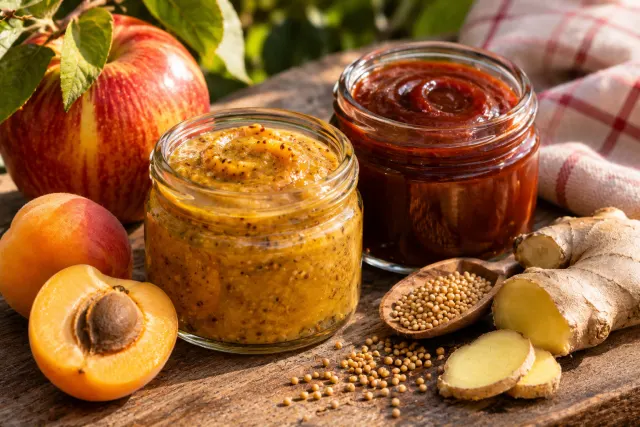
From the baked apples of my childhood to homemade fruit mustard and a Korean-style BBQ sauce, this is how a few ordinary pots of apple, apricot, or mango purée became some of the most useful ingredients in my kitchen.
Read ->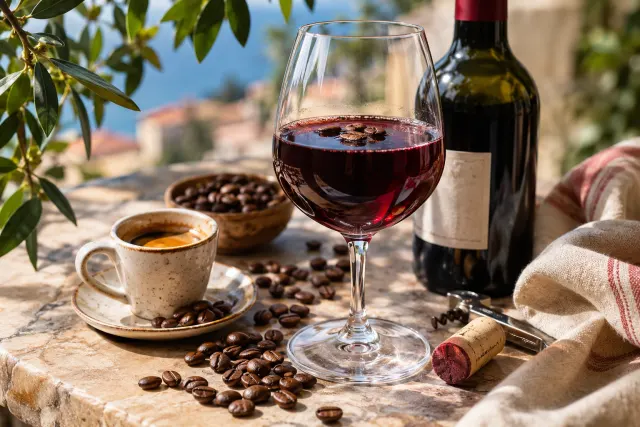
An unexpected whisky cocktail reminded me of a strange canned drink I discovered in Hawaii. That led to coffee-infused Merlot, a Chardonnay experiment, and an attempt to ferment coffee into something resembling beer. Some of these ideas worked remarkably well. One probably didn't deserve a second batch.
Read ->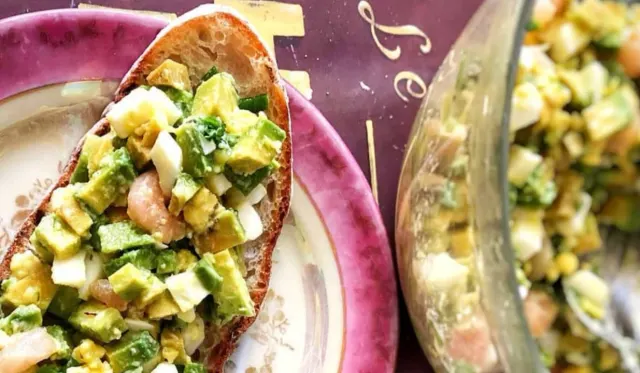
Egg salad seems to exist everywhere, and somehow it's always delicious. My version adds avocado, small shrimp and just enough dressing to bring it all together.
Read ->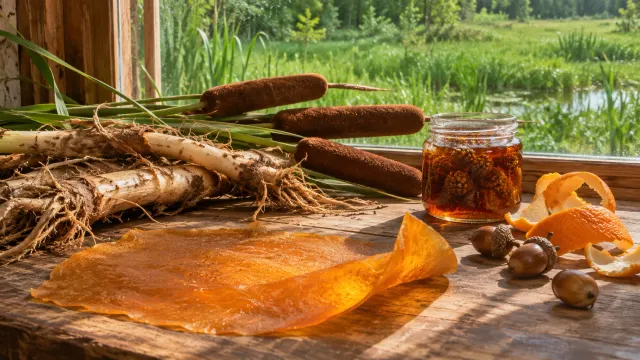
As Kyiv's supermarkets ran short of supplies in February 2022, I found myself buying overlooked foods, recovering supplies from evacuated apartments and remembering what I'd learned about eating wild plants.
Read ->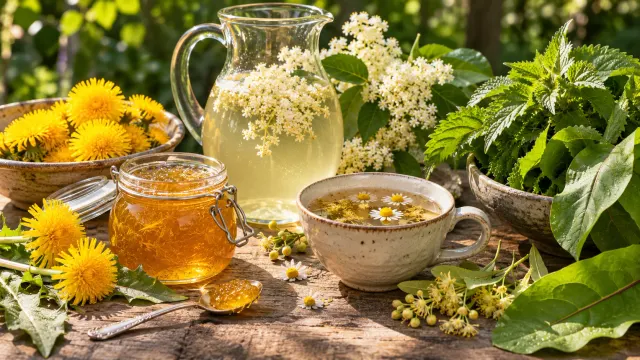
My son asked whether we could eat dandelions. That reminded me of homemade flower wine, Igor's elderflower kvass, my grandmother's fragrant tea, and the nettles I now put in green borscht.
Read ->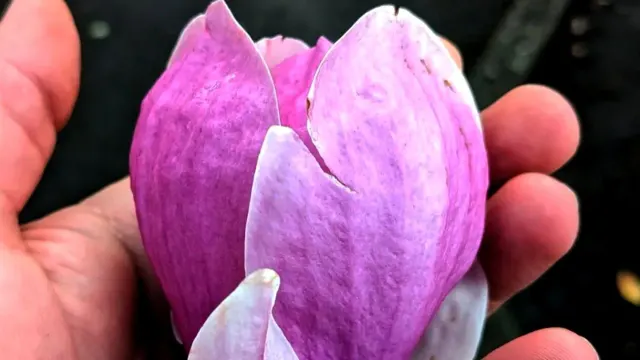
My son offered me an edible flower in a Nantes garden. It reminded me of magnolias, childhood acacia blossoms, grandmother's rose jam and selling stuffed zucchini flowers at a street-food festival.
Read ->My biologist friend sent me beaver hindquarters and a tail. I made a red-wine game stew, experimented with roasting the tail, and remembered our extraordinary anatomy lesson in Stepanovka.
A grass snake on my cutting board, beaver meat marinating in red wine, and a memory of artists near the Tiligul Estuary who became famous for eating snakes. An unusual Saturday dinner in Kyiv.
One chicken, one kilo of salt, and nothing else. Or a whole bird roasted upright using an old Soviet kitchen trick. Two simple recipes with surprisingly good results.
An old tale about geese and leeches, a Ukrainian biologist who loved culinary experiments, and the extraordinary blood sausage he made with buckwheat and pork fat.
I went to cook an ordinary Sunday lunch for my family: boiled potatoes, fried chicken and tomato salad. Naturally, Japanese dashi, Breton butter and Guérande salt found their way into it.
I fell in love with crispy frog legs in an Odesa restaurant. Then I discovered that Ukraine had its own frog-exporting town and a Carpathian village with a fascinating French culinary legend.
I once developed an idea for an earthworm burger and an even stranger preparation involving worms fed on flour. Revisiting the manuscript revealed both fascinating culinary history and some spectacularly questionable statistics.
Why is a rabbit dinner but a guinea pig a pet? And why does a cricket seem disgusting until you actually taste one? My experiments with strange food began in China and eventually reached my own bars.
My weekly salad system involves prepared ingredients, fresh vegetables, Gorgonzola, several rather unlikely sauces, and absolutely no desire to eat seven identical lunches.
My morning coffee is perfectly normal, apart from the scoop of protein I whisk into cold milk before adding espresso. And that's only one example of how I experiment with ordinary ingredients.
I remembered a thick, creamy oat yogurt from years ago. Gemini suggested a recipe involving water, sugar and a yogurt starter. Three days and two matcha sachets later, I got something entirely different.
In Ukraine, I loved making borscht and fried potatoes with pork cracklings. Then I moved to France, discovered duck fat sold in jars, and found an entirely new way to cook potatoes and steak.
A cheap pizza bar in Corsica introduced me to one of my favourite French dishes. Years later, after searching for it in Menton and the mountains, I finally started making my own pissaladière in Nantes.
I remembered my grandmother's old-salo borscht when I was left with a Spanish jamón bone. Years later, the same idea became a prosciutto borscht on an Italian restaurant menu in Ukraine.
I had five litres of Breton yogurt, too much milk and no oven. Gemini suggested fluffy doughnuts. Ninety minutes and 600 grams of flour later, I had something else entirely — and a surprisingly delicious matcha condensed milk.
After exploring regional fish borschts, canned-food experiments and the anatomy of red borscht, here's the version I actually cook for my family in France, with a few surprisingly useful French shortcuts.
I turned Ukrainian red borscht into a technical specification. Which ingredients are essential, which can be replaced, and how far can you experiment before you're making another soup?
I combined canned French sauerkraut with pork, beetroot and chili con carne to see whether I could make Ukrainian borscht without the usual cooking. It sounded ridiculous. It worked.
Three fish borschts, three regions and three chapters of my life. From fried gobies in childhood to canned sprats in Donetsk and crucian carp dried on straw in a Ukrainian village.
My friend Igor bought an enormous pig on Friday and announced we were having a Hawaiian party on Saturday. By dawn, I was digging a grave-sized hole on a Kyiv beach. Somehow, it became one of my favourite memories.
For March 8, I made my wife a bouquet of white tulips. The flowers were actually carved boiled eggs, and the stems were green onions. She loved it.
I love Georgian chicken tabaka, but I prefer removing the backbone, roasting the chicken in foil and finishing it under the grill with salted Breton garlic butter.
I discovered Guinness with port wine in Berlin, recreated it with whatever a small French bar had available, and eventually watched it become an official item in the cash register.
A Ukrainian sausage, Georgian chacha and an unexpected gift from a French hunter led to a remarkable roe deer roast with peanut butter and cranberries, eaten beside the Loire.
One fish soup takes a rooster, several kinds of fish and an entire day. The other needs two stock cubes, canned salmon, green peas and twenty minutes. I learned this wonderfully simple recipe from a Belarusian friend.
A Bulgarian acquaintance in southern Ukraine taught me a remarkable recipe: start with a rooster, add three kinds of fish, and turn one enormous pot of broth into an entire holiday feast.
Autumn brings raclette season to France. I love the cheese, but prefer melting it inside an oatmeal pancake, eating it with berry jam or even adding it to hot coffee.
Mix rich Breton yogurt with palet breton dessert cream, or try the nougat version. Two ingredients, two minutes, and a surprisingly delicious result.
While looking for my wife's birthday present, I discovered a Ukrainian pendant shaped like a familiar biscuit. It brought back childhood memories and unexpectedly connected them to my new life in Nantes.
I got lost walking back from a supermarket in Nantes, discovered enormous yellow mushrooms growing on a tree stump, and spent the evening researching and cooking with ChatGPT.