
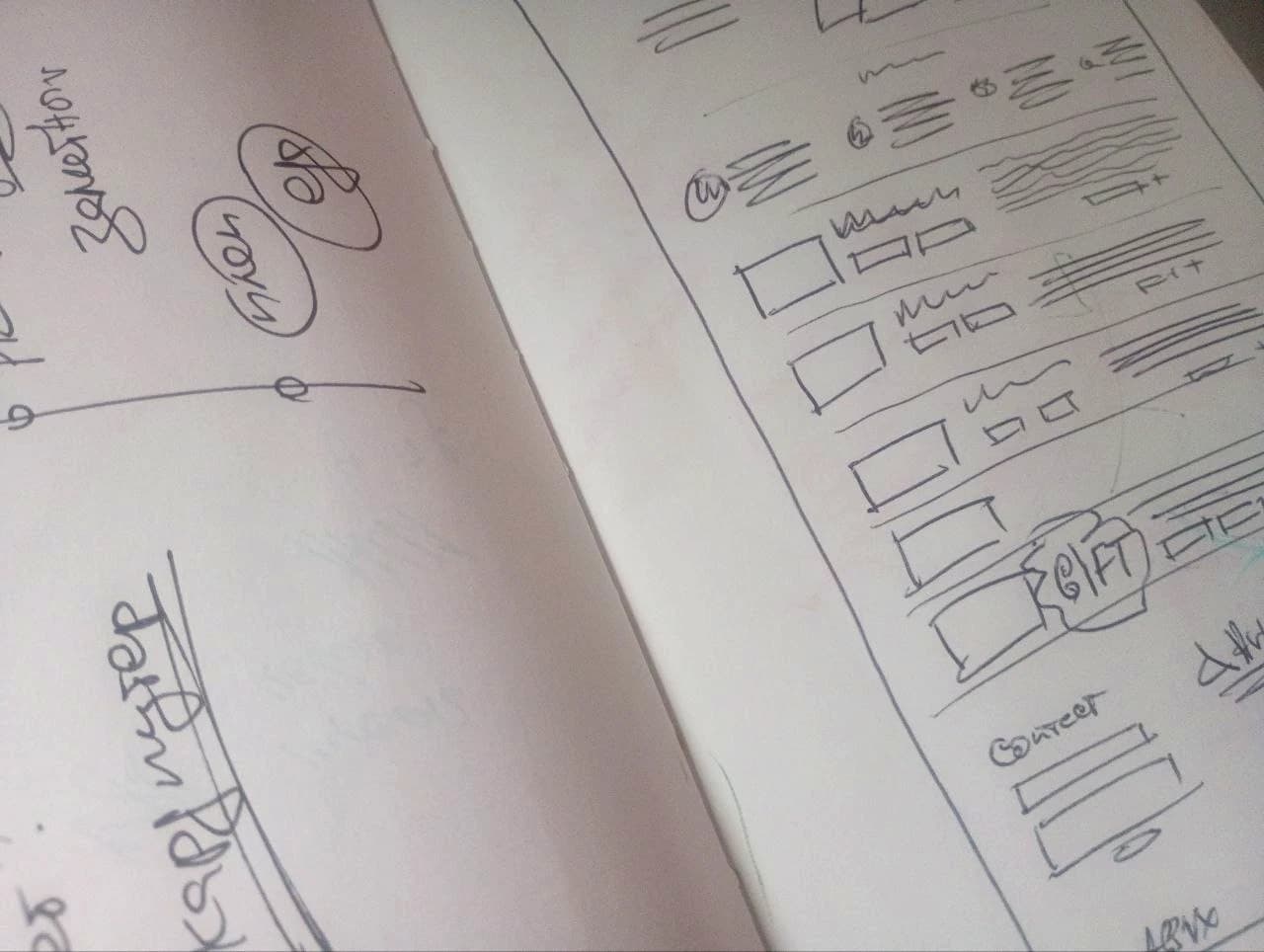
Cover artwork by Anton Biletskyi-Volokh, from an unpublished reusable sketchbook in progress.
A thematic selection of translated notebook fragments.
When are you going to start working on yourself, darling, so that I can change?
I have landed on my feet: my job is to tell people the truth at their own expense.
Social instability and money troubles can be a way of taking revenge on your parents.
What gets mistaken for psychological problems is often a matter of education and/or economics.
Letting go of a story means no longer thinking about how to spend the money in a wallet you have lost.
There is no such thing as maladaptation. There is adaptation that works for different lengths of time and demands different, sometimes astronomical, amounts of resources.
Adaptation is essentially an economic process in which stressors stop demanding a payment in resources to deal with them.
Working through loss means acknowledging it, mourning it and choosing life.
Not following whoever or whatever has gone.
Manipulation works as a way of controlling things, but it requires endless resources. That is why even the craftiest manipulator often ends up psychologically bankrupt.
Working with death means acknowledging that death exists, while choosing life as we mourn a loss and go through grief.
When unresolved inner conflict occupies almost all the space inside us, our thinking works to maintain that conflict rather than to help us.
The economics of the unbearable. Getting out of an unbearable situation requires concentrated effort.
But staying in it costs far more strength than getting out.
Motivation by getting your arse kicked works when there are resources to draw on. When there are none, the arse-kicking only makes things worse, killing the desire to do anything even further.
Knowing how to rest is an important part of adaptability. People who cannot sit idle and feel tense when they have free time need to learn to contemplate, look for the source of their inner discomfort and learn to handle the anxiety that often drives their endless frenetic activity.
However impressive a car is, it still will not run without petrol. When working on self-improvement, remember that nothing will work without resources available to draw on.
In the face of death, few people say: I wish I had worked more, I could have done more hours a week.
Regrets are more often about not spending enough time with those close to us, or not even trying to do what we dreamed of.
Immediate adaptation depends on the resources we have near the surface and how quickly we can activate them. Long-term adaptation depends on how economically and evenly we can distribute our deeper resources.
There are two routes to adaptation: we either change the situation or change ourselves. If both the situation and we ourselves change, adaptation works. If neither we nor the external circumstances change, it does not. Yet people often expect the second combination to deliver what the first does.
The defensive mechanism of intellectualisation is not the same as thinking. Thinking involves analysing, synthesising, evaluating and creating new knowledge. Intellectualisation means philosophising about the unimportant and explaining the obvious to avoid encountering what matters but is not obvious.
A devaluing partner is not just a matter of 'What a bastard', but can also be a way of motivating yourself. You cannot get off your arse on your own, but when someone says something about it, you rush to improve.
This motivation only works, though, while you still have some strength and have not been battered too badly by the devaluation.